
By Lucas Abal.
In the gastronomic landscape of Buenos Aires, it’s easy to be swept up by the allure of Michelin stars and high-profile dining places. Aramburu, Crizia, Don Julio, El Preferido, Julia, Sál, and Trescha are all of them excellent restaurants; and that’s why they were included in the Michelin Guide. Yet, this article is not about them. Instead, I venture off the Michelin path and into the city’s culinary backstreets, highlighting spots that even locals might describe as “joyitas” (little jewels). These aren’t places where you’ll find elaborate 15-course menus, sommeliers, or trilingual waiters. What you will find, however, is the true essence of Buenos Aires’ diverse food scene — unpretentious yet exceptional establishments where the focus is squarely on what really matters: delivering unforgettable flavors and great food.
Just as Buenos Aires is often dubbed the “Paris of South America” for its architecture, when it comes to its gastronomic diversity, I would like to think of Buenos Aires as the “New York of South America”. The city’s food scene reflects a variety of cultural influences from around the globe. In the spots I’ve selected for this culinary journey, you’ll find everything from traditional Argentine dishes to pasta, pizza, tikka masala and yakitori. Each restaurant serves as a testament to the city’s’ cosmopolitan spirit.
Club Social General Alvear
In Argentina, clubs like Club Social General Alvear are more than just sports facilities; they are central to the country’s social and communal life. These clubs typically feature a dining area, known colloquially as a ‘buffet’ — a term borrowed from English. These buffets are renowned for serving ‘minutas’, quick and hearty meals that are a staple in Argentine cuisine, ranging from milanesas (breaded meat cutlets) and churrascos (grilled steaks), to tortillas and a variety of pasta dishes such as tallarines, ravioles and ñoquis.
Situated in the neighborhood of Palermo, a stone’s throw from Parque Las Heras and a few blocks from the Malba, Club Social General Alvear offers a cozy setting to enjoy these traditional dishes. The club’s entrance is somewhat hidden, leading down a corridor past the swimming pool to a welcoming dining hall. There’s a bit of a playful mix-up in the name ‘Alvear’. While ‘Alvear’ might bring to mind the luxurious Alvear Hotel, one of Buenos Aires’ most expensive five-star hotels, Club Social General Alvear is far from that kind of lavishness. This is a place where simplicity and warmth take precedence, offering a stark contrast to the opulence associated with its namesake hotel.

Among the variety of dishes available, my personal favorites are the milanesa napolitana and the revuelto gramajo. The milanesa napolitana (shown above) is a unique Argentine twist on the classic milanesa; it’s topped with tomato sauce, ham, and melted cheese. As for the revuelto gramajo, a traditional Argentine dish made with ham, eggs, and french fries, the version here at Club Social General Alvear is particularly noteworthy. It omits peas — an ingredient I don’t care for — and adds onions, which I find enhances the flavor beautifully.
Delhi Mahal
Delhi Mahal, nestled near the Teatro Colón, Buenos Aires’ renowned opera house, offers a foray into the rich tapestry of Indian cuisine. This restaurant presents a distinctive experience, particularly enticing for those finishing an evening at the opera. Set in an inviting atmosphere, Delhi Mahal reflects the colorful and warm spirit of Indian culture. Here, the cook’s expertise in Indian culinary arts shines through, with a thoughtful consideration for the local mild palate. The spice levels in the dishes are carefully adjusted to accommodate the generally milder preferences of Porteños, but for those daring enough to experience the authentic heat of Indian cuisine, the option to increase the spice is available. But be cautious when opting for ‘very spicy’ — it’s a true testament to authentic Indian heat.
Delhi Mahal boasts a superb set menu featuring an appetizer, main course and dessert, providing a well-rounded dining experience. However, my personal recommendation is to delve directly into the restaurant’s main dishes, which I believe are the highlight of their culinary offerings. Among these, my personal favorites stand out as exemplary representations of the restaurant’s capabilities. The Butter Chicken (shown below) offers a creamy and comforting experience. Additionally, the richly flavored Tikka Masala and the aromatic Darbar Ghost Wala are my top picks.

An essential aspect of any meal here includes the sides. The buttery bread and Pulao rice (it can be seen in the background of the picture, slightly blurred) are not just additions but integral parts of the culinary experience. The availability of Basmati rice in Argentina can be inconsistent, often hindered by import restrictions or their high cost. Despite these challenges, Delhi Mahal strives to maintain the authenticity and quality of its dishes, adapting as needed while preserving the essence of traditional Indian cooking.
El Ombú
El Ombú is a restaurant that playfully teases the lines between Argentine and Italian identities. It’s rather poetic that a restaurant specializing in Italian pasta would be named after the Ombú tree — a symbol deeply rooted in Argentine soil. Perhaps the name serves as a subtle nod to the blurred distance that separates Buenos Aires from Italy, fusing the two cultures into one delicious cuisine.
Located far from the tourist hustle and bustle, El Ombú finds its home in the southern part of Buenos Aires, where history breathes through the streets and the spirit of the football team Huracán is ever-present, in many murals, conversations and his stadium. This neighborhood setting adds an ingredient of authenticity to the restaurant.

The menu is a virtual tour across Italy, from the lasagna of Bologna to the pesto of Genova and the carbonara from Rome. It’s a combination of flavors that paint a broader picture of what Argentine-Italian cuisine can be. And while I couldn’t capture a complete essence in one single photograph, I took one of the Melanzane alla Parmigiana from El Ombú. The mozzarella threads spilling out over the edge of the plate don’t look quite instagrammable, but it’s a poetic way to describe two particularities of the Argentine-Italian cuisine: huge portions and tons of mozzarella.
Fatay
Another place, tucked away from the bustling tourist circuit of Buenos Aires, is Fatay, a culinary gem located in the Floresta neighborhood. In recent years, Floresta has captured the attention of food enthusiasts, particularly for its Korean district and the acclaimed restaurant ‘Una canción coreana,’ often hailed as the best Korean eatery in the city. However, stepping into the realm of a different culinary tradition, Fatay offers a unique experience on Felipe Vallese Street — a detail worth noting for those using Google Maps to locate it. Interestingly, locals might still refer to the street as Canalejas, its original name until 1973.
As the name suggests, Fatay specializes in fatayers, known in Argentina as ‘empanadas árabes.’ These are distinct from traditional empanadas, a staple of local cuisine, offering a different taste and texture. One of the standout features of Fatay is their wood-fired oven, visible from where customers place their orders, adding an authentic touch to the experience. The fatayers here are delicious, with the meat varieties — mild, spicy, and ‘abierta’ — being my personal favorites. The chard fatayers (referred to as ‘de verdura’ though it contains only one vegetable) and cheese fatayers are also exceptional.
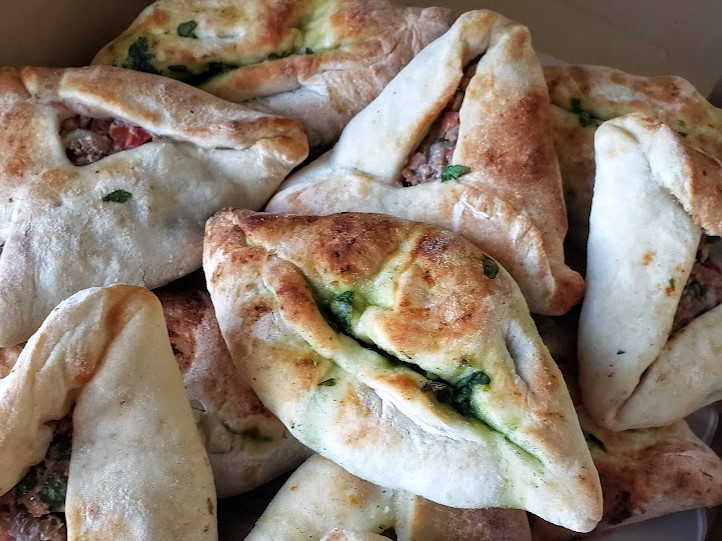
Fatay boasts long tables for dining in, but many customers prefer to take their orders to go. While the restaurant is far removed from the typical tourist path and the neighborhood of Floresta doesn’t offer many other attractions, the journey to Fatay is well worth it for the fatayers alone. This sentiment echoes the Michelin guide’s three-star classification, which states that «exceptional cuisine, worth a special journey.»
La Cocina
Empanadas are a culinary symbol of Argentina, with each region offering its unique twist on this beloved dish. At its core, the quintessential empanada is filled with beef, but the variations are as diverse as the country’s provinces. Notable among these are the empanadas from Catamarca, Salta, and Tucumán, each renowned for their distinct flavors and ingredients.
In the neighborhood of Recoleta, La Cocina is an eatery dedicated to serving traditional Catamarca-style empanadas. Its location makes it an ideal stop for those combining a day of sightseeing with authentic local dining, being conveniently close to attractions like La Recoleta Cemetery and El Ateneo Grand Splendid.
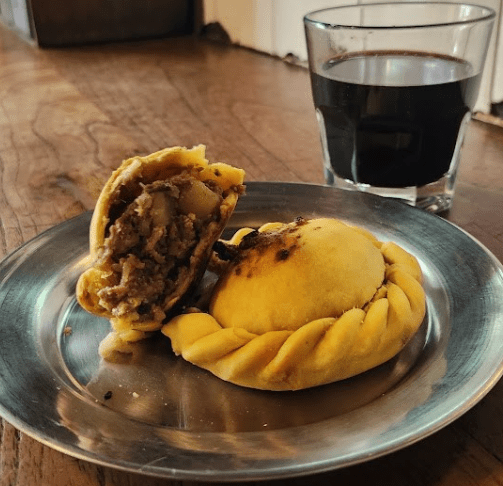
The ambiance of La Cocina is unpretentiously charming, with a seemingly casual appearance that belies its homely and warm atmosphere. Here, the classic beef empanadas are a must-try, available in both mild and spicy versions. However, the surprise star of the menu is the ‘Pikachu’ empanada. Named with a playful nod (and hopefully without attracting the attention of Nintendo’s lawyers), this round empanada breaks the traditional half-moon shape of Argentine empanadas. It’s filled with a mix of cheeses, caramelized onions, and a spicy kick that seems to come from a blend of paprika and chili.
Pirilo
When it comes to Argentine pizza, the local version is a unique blend of various influences, combining elements from Italian pizza traditions with a local twist. The crust tends to be similar to the Roman style — thick and bread-like, yet the pizzas are circular like the Neapolitan variety. They are larger than a typical Neapolitan pizza, but not as large as the New York-style ones. Among the most traditional varieties are ‘muzarella’, simply topped with tomato sauce and cheese, and ‘fugazzeta’, a pizza filled with onions and cheese, often including ham. It’s important to note that the mozzarella used in Argentina differs from its milder and more elegant Italian counterpart, offering a more pronounced taste.
Pirilo serves as a perfect spot for tourists traveling through Buenos Aires, particularly within the San Telmo neighborhood, famed as the city’s historic quarter and a favored spot for visitors. Located away from the traditional pizza circuit on Corrientes Av, where famous pizzerias like Las Cuartetas, Güerrín, Pin Pun, and El Imperio reside, Pirilo offers a local and authentic experience.

This small, unassuming pizzeria sells pizza by the slice, perfect for enjoying on the sidewalk in true Buenos Aires fashion, meant to be enjoyed ‘de parado’ — standing up, an old Buenos Aires tradition that adds to the casual, street-side dining experience. The classic combo here is muzarella pizza with ‘fainá’. Fainá, a chickpea flatbread, is typically Italian but the combination of fainá on top of a pizza slice is a distinct Porteño creation, one that you wouldn’t find in Italy despite both dishes being of Italian origin. The idea is to layer the fainá on the pizza and enjoy them together in one savory bite.
Secretito
Asado, the Argentine barbecue, is more than a culinary delight; it’s a national tradition deeply ingrained in Argentina’s culture. Of course, Buenos Aires is home to numerous renowned parrillas (grill houses). While establishments like Cabañas Las Lilas, Don Julio, El Mirasol, and Fervor are known for their popularity, especially among tourists and Michelin Guide enthusiasts, there’s a side to Buenos Aires’ asado culture that’s less fancy but more authentic. Secretito, hidden in the heart of Palermo, is a testament to this genuine Argentine experience.
True to its name, which translates to ‘little secret,’ Secretito is a bit of a hidden treasure, difficult to find. Tucked away and unmarked by any obvious signs, its entrance is a modest blue gate, blending seamlessly with its surroundings. It’s a spot that requires a bit of insider knowledge, and reservations are often needed at least a week in advance, underscoring its hidden gem status. The atmosphere of Secretito is a summary of authenticity: football pennants adorning the walls (the owners are fans of Racing Club, like me), simple plastic chairs, and straightforward yet attentive service. This setting provides a genuine Argentine parrilla experience.

The menu at Secretito, while not extensive in terms of wine options, features sparkling water in a ‘sifón’, another authentic Argentine touch. A great way to start the meal is with rabas (fried squid rings) — a popular appetizer choice. The main attraction, of course, is the selection of classic Argentine meat cuts: ojo de bife, vacío, asado de tira, and entraña. Each cut is expertly grilled, and for the best experience, asking the waiter for the day’s top recommendation is the way to go.
Tori Tori
When it comes to Japanese cuisine, sushi often steals the spotlight globally. However, an equally delightful but less globally renowned aspect of Japanese culinary art is kushiyaki. Buenos Aires, a city known for its exceptional grilling techniques, particularly asado, offers a unique take on this Japanese tradition at Tori Tori, a restaurant specializing in kushiyaki.
Kushiyaki refers to skewered and grilled meats, a cooking style that resonates well with the Argentine mastery of fire and grilling. Tori Tori is conveniently situated in the Recoleta neighborhood, operates exclusively in the evenings and requires reservations, making it an ideal spot for a night out in one of the city’s most renowned areas.

The setting of Tori Tori is intimate and cozy. Originally a smaller venue, the restaurant has recently expanded by incorporating the neighboring space, allowing for a more spacious dining experience. As for the menu, my personal favorites are the yakitori, which refers to grilled chicken skewers and is a popular type of kushiyaki. These skewers showcase the delicate balance of flavors and the skillful use of the grill, a culinary technique that is both an art and a science.
—
Epilogue: So, next time you find yourself in Buenos Aires, I encourage you to get off the beaten track and explore these ‘joyitas’. You might just find your new favorite dish, a cozy corner to enjoy a meal, or a story to take back home — a taste of the real Buenos Aires.
Picture Credits: All photographs of the eateries featured here are my own, except for those from two special places where I enjoy hearty meals and generous pours of wine while engaging in lively conversations with friends. The credit for capturing these places goes to the skilled photographers at Secretito (@foodbyvicky) and Club Social General Alvear (@doctorbodegon).
Lucas Abal (34)
Lawyer and Curious Eater
lucasabal@gmail.com
 sedcontra.com.ar